Owners moving from oil and gas into offshore wind often assume the crewing problem transfers with the fleet. Some of it does. The seamanship does, the certification framework largely does, and a good deal of the offshore discipline does. What does not transfer is the shape of the work.
Campaign work, not steady state
A production platform runs. An installation campaign starts, peaks and ends. That single difference drives almost everything else about how a wind project is staffed: the headcount is not flat, the skills needed in month two are not the skills needed in month seven, and the people you want back next season have to be given a reason to be available.
Where the shortage actually bites
- Technicians who hold both an electrical or mechanical trade and current offshore survival training
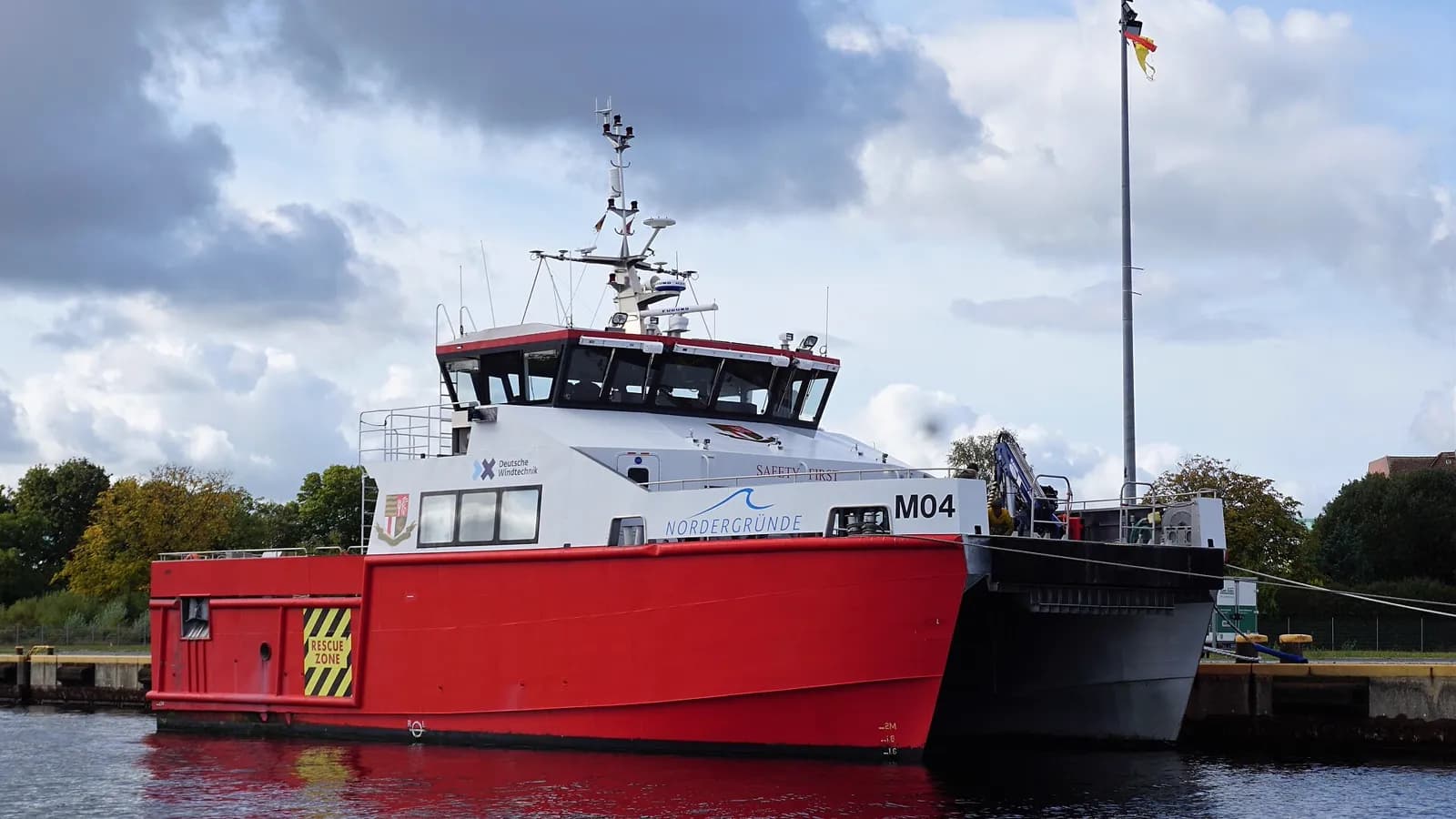
- Deck and marine crew comfortable with transfer operations in a short, steep sea
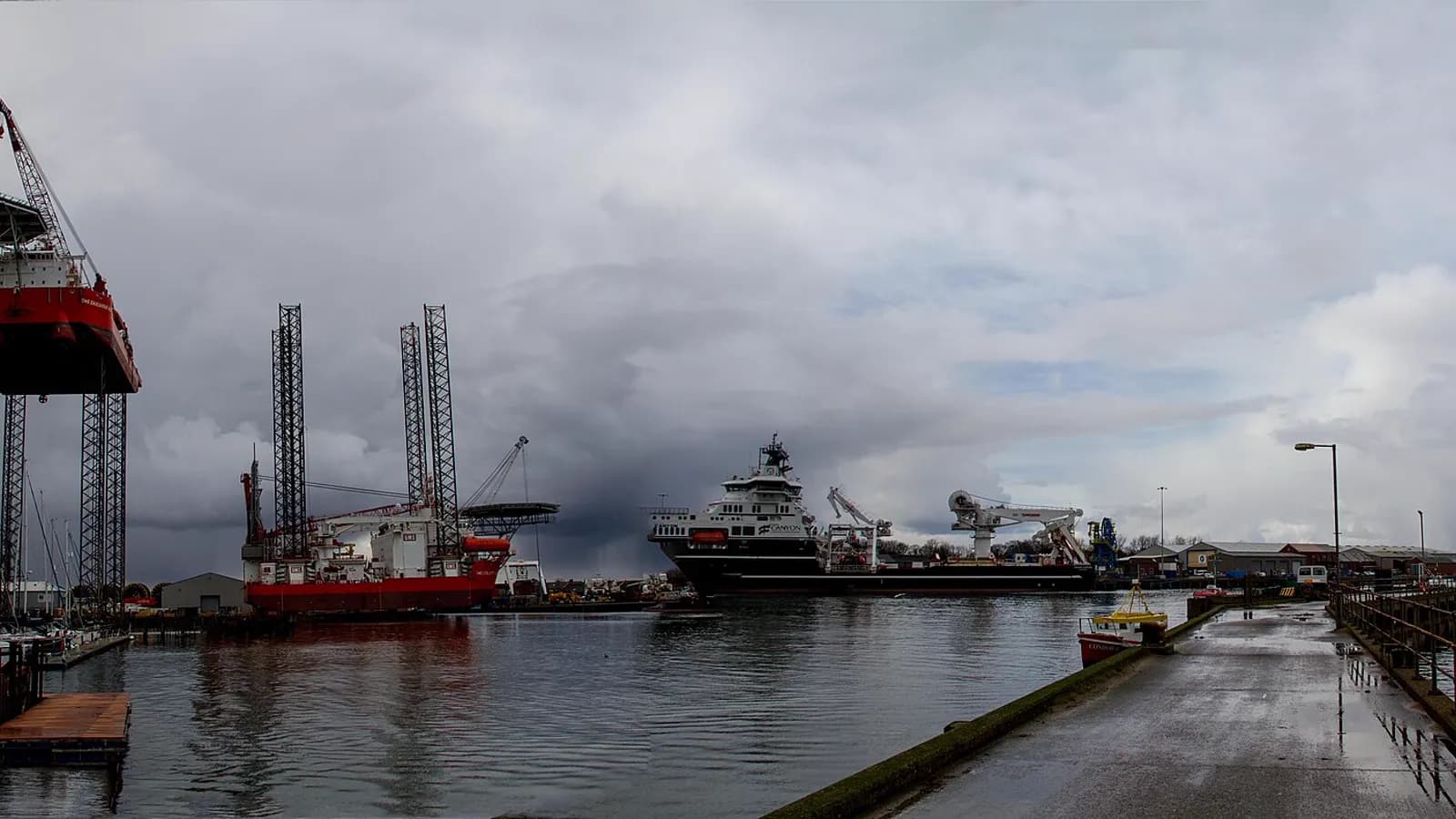
- Cable-lay and subsea specialists, where the pool is small and books up a season ahead
- Supervisory ranks that can hold a safety case together across a mixed-nationality campaign crew
The middle two are the ones that quietly decide a schedule. Everyone plans for the specialists. Fewer people plan for the fact that transfer competence is what determines how many workable days a campaign actually gets out of a marginal weather window.
The brief we actually need
A wind brief that arrives as a list of ranks and a start date is a brief that will be revised three times. The useful version describes the campaign: what is being installed or maintained, over what period, from which port, and where the peaks in headcount fall. From that we can tell an owner which roles to lock now and which can safely wait, which is usually not the order they expected.
- The scope and duration of the campaign, including the expected weather-down allowance
- The mobilisation port and how crew are expected to reach it
- The rotation pattern, and whether it holds through the peak
- Which roles are continuous and which are only needed for one phase
- The safety training standard the project is being run to
What we do differently on wind
We build the pool before the campaign, not during it, and we keep talking to the people on it between seasons. A technician who came off your last project and heard nothing for eight months is not your technician any more — they are somebody else's, and they were re-recruited during exactly the months you were quiet.
That contact does not have to be elaborate. It has to be honest about when the next campaign is likely to start and what it is likely to need, even when the answer is that nothing is confirmed. People plan their year around information, and they will take a worse offer from someone who told them something over a better offer that arrived too late.
In campaign work, retention happens in the gap between campaigns or it does not happen at all.