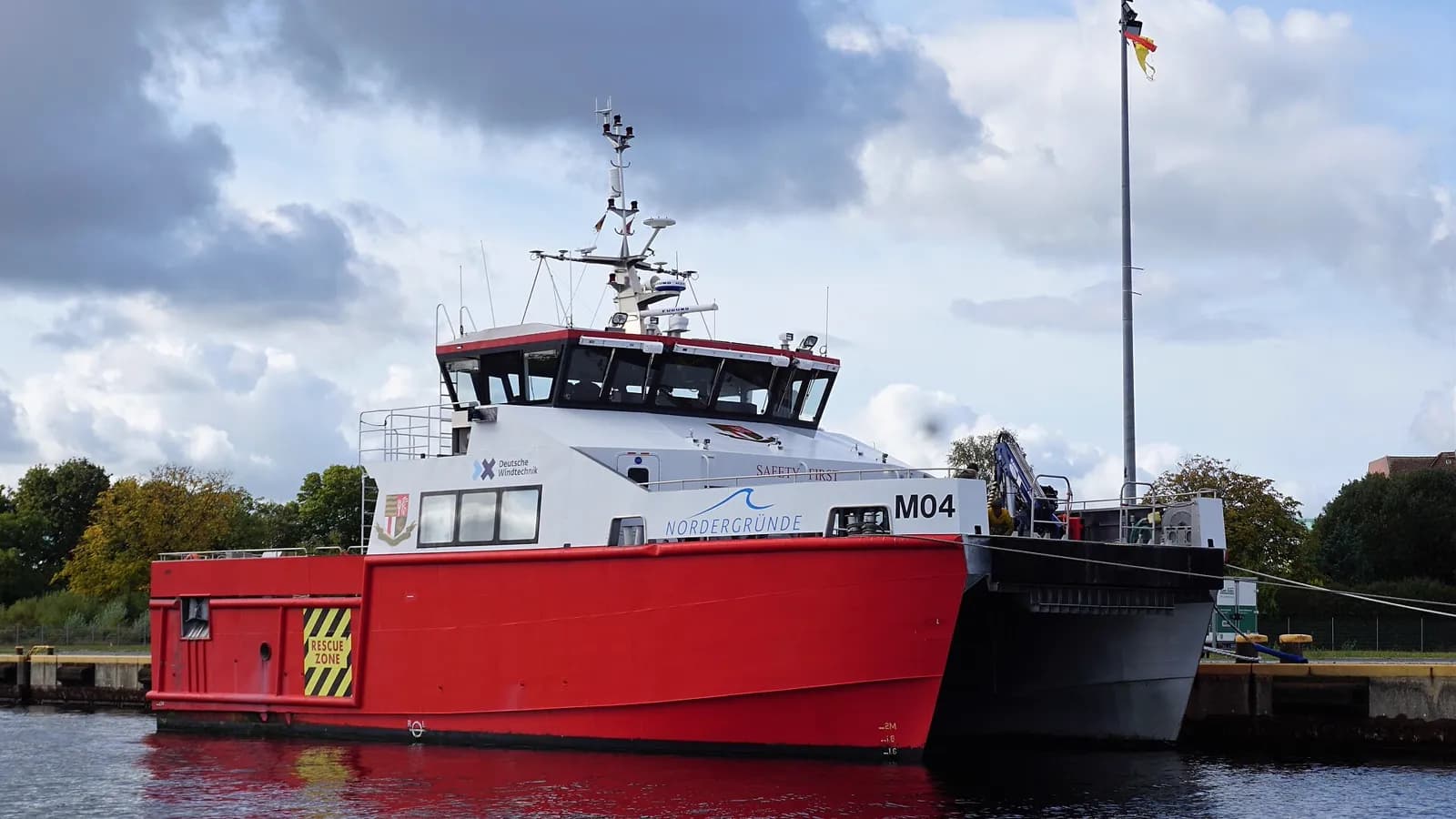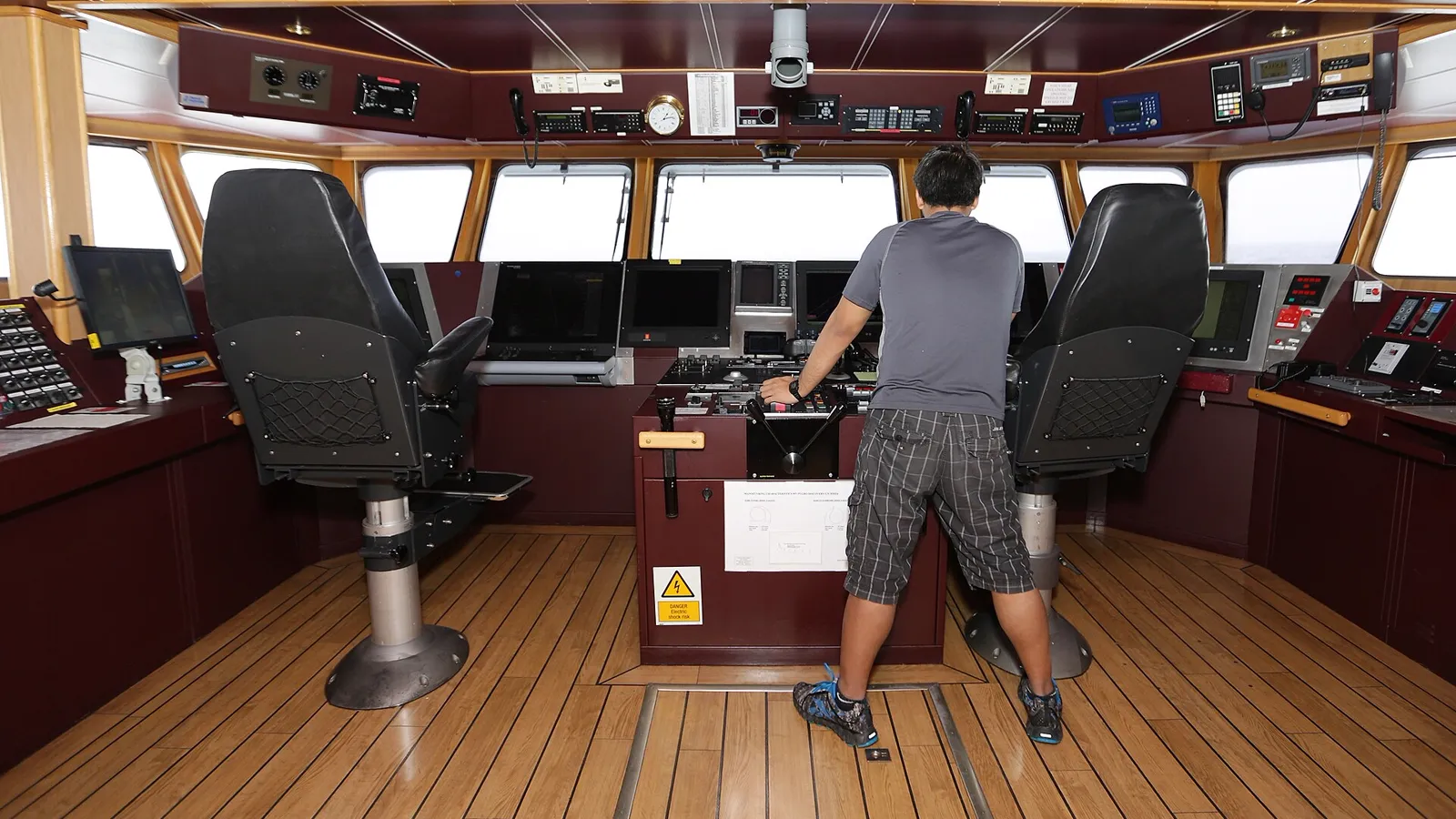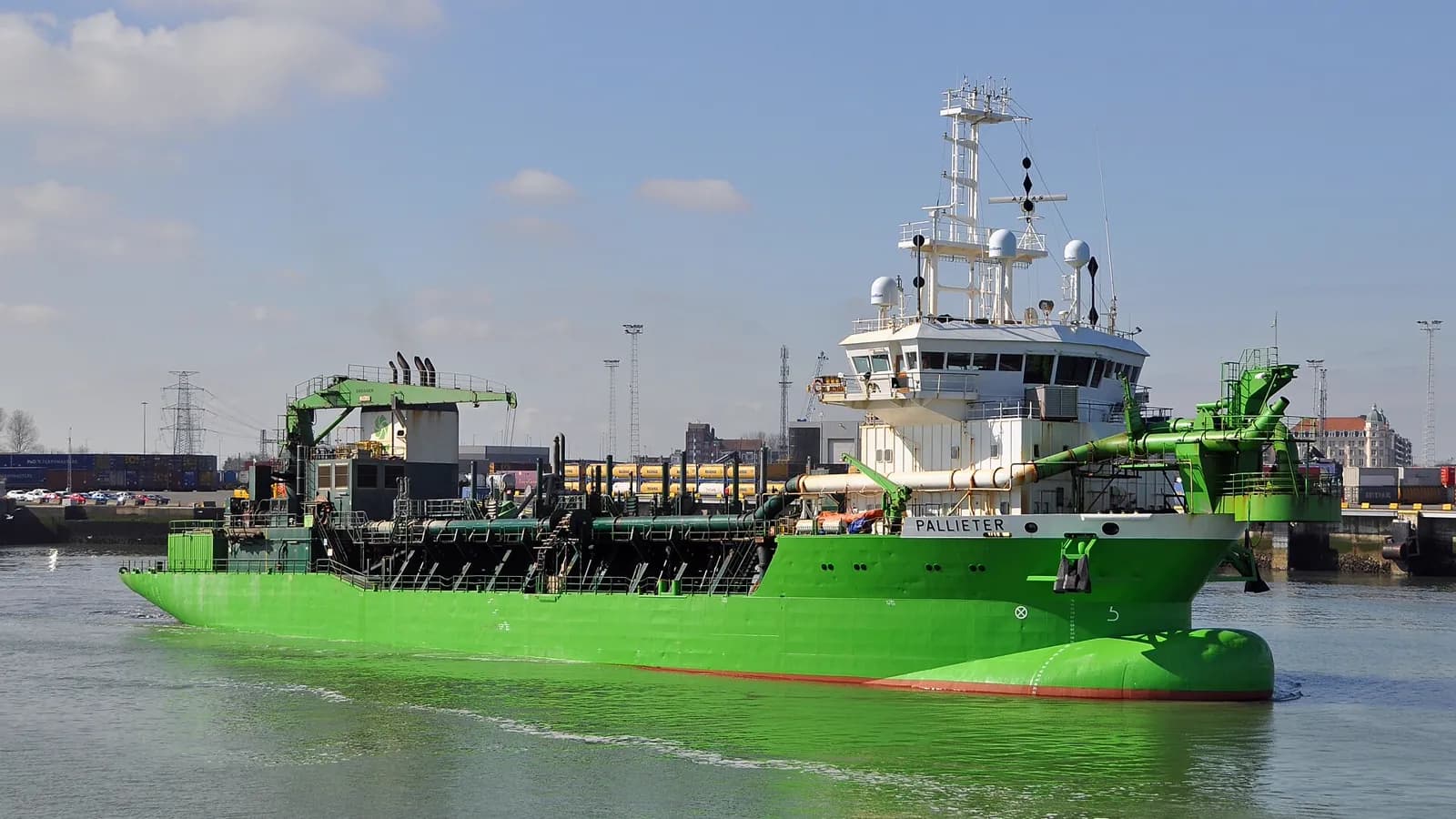
A trailing suction hopper dredger is a ship, and it is also a piece of production plant. The crew has to run both. That dual character is why dredging staffing does not map cleanly onto either merchant crewing or construction hiring, and why candidates from one side often arrive short on the other.
Two competences, one crew
The marine side is familiar: watchkeeping, tonnage, propulsion power, the usual endorsements. The production side is not. Dredge masters, dredge operators and their engineers are judged on soil, on pump performance, on cycle times — knowledge that no certificate expresses and that only shows up in a properly taken reference.
Where candidates come up short
- Marine officers with the right ticket and no exposure to production plant
- Experienced dredge operators whose marine endorsements have quietly lapsed ashore
- Engineers strong on propulsion and light on pumps, gearboxes and the dredge installation
- Crew with the competence but no evidence of it that will satisfy the flag
The second one is the most common and the most fixable. Someone who has spent four years on a cutter in one place is often two short courses away from being placeable across a fleet.
What we ask a dredging client first
Not the rank. The plant, the soil and the project — because those three decide which half of the job is the hard half, and therefore which half we screen on. A hopper working soft material on a maintenance contract and a cutter in rock on a capital scheme are different jobs with the same job title.
Hire the marine ticket and train the production side, or hire the production side and fix the ticket. Trying to find both fully formed is how a berth stays open for a quarter.
Taking a reference that is worth having
Because so much of the production competence is undocumented, the reference call matters more here than almost anywhere else in maritime hiring — and the standard reference call is close to worthless. "Would you take them back" produces a yes from almost everyone.
The questions that produce something usable are specific and operational. What material were they working, and how did the cycle times compare with the rest of the crew? What did they do when the production dropped and the cause was not obvious? Who did they call, and how late did they leave it? A former superintendent who has to answer those cannot give a reflexive yes.
Building the pool early
Dredging projects are awarded with a known start and a very short mobilisation, which is the worst possible combination for staffing. By the time the contract is signed, the useful people are already on someone else's programme. We would rather have the conversation while a tender is still open and nothing is certain, because that is the only point at which availability can still be influenced.